
When Background Checks Miss the Foreground: Social Media and Security Clearances

In April 2023, 21-year-old Jack Teixeira was arrested for one of the most damaging intelligence breaches in recent memory. A junior airman in the Massachusetts Air National Guard, Teixeira spent months sharing classified Pentagon documents on Discord, a gaming chat platform popular with teenagers and young adults. But his digital footprint revealed far more than leaked secrets. Across his public online accounts, investigators found violent rhetoric, white nationalist content, and a long trail of extremist behavior—available for anyone to see, except, apparently, the very system that had granted him top-secret clearance.
That contradiction reveals a dangerous vulnerability: the U.S. security clearance process remains firmly rooted in an analog era, blind to the digital lives of the very people it is supposed to vet.
A 20th-Century System in a 21st-Century World

Although federal policy has technically permitted public social media screening since 2016, with Security Executive Agent Directive 5 authorizing the collection and use of social media information, it remains rarely implemented in practice. Background checks still lean heavily on legacy tools: interviews with references, employment history, financial records, and law enforcement reports. These methods were designed for an era when most of a person's life took place offline.
Even as agencies shift to “continuous vetting” systems, monitoring databases for changes in status, the digital lives of applicants are still largely out of scope. Background investigators often lack clear guidance, legal authority, or training to responsibly assess publicly available digital behavior. As a result, the government might catch a decade-old DUI but miss a six-month spree of extremist memes, violent threats, or engagements with foreign adversaries, activities that play out daily across Discord, Reddit, YouTube, and fringe platforms.
The Risk of What We're Missing
The Teixeira case is far from an outlier. Despite a history of violent threats, a troubling online presence, and multiple instances caught snooping, Teixeira kept his job at an intelligence facility. The Washington Post investigation found that the online community where Teixeira routinely shared classified information was a hotbed of racist and antisemitic rhetoric, whose members traded conspiracy theories and extremist content.
Social media platforms have become the new commons, where ideologies, allegiances, and red flags often appear long before they're evident in real life. When background investigators are blind to these spaces, they’re effectively reviewing candidates through a keyhole, missing the wider picture of who is being entrusted with national secrets.
The Danger of Overcorrection
But swinging the pendulum too far carries its own risks. Overly broad surveillance of online behavior could lead to digital witch hunts, where candidates are penalized for controversial jokes, political opinions, or clumsy teenage posts. The permanence and ambiguity of online content make it easy to misread sarcasm as threat or dissent as disloyalty.
If applied without nuance, digital vetting could chill free speech and disproportionately exclude qualified candidates, especially from communities that already face scrutiny. Missteps in implementation could also erode public trust in the fairness of the clearance process at a time when the government desperately needs diverse, tech-savvy talent.
A Democratic Middle Ground
What's needed is not mass surveillance, but principled modernization. Just as investigators already review criminal records or public financial filings, they should be empowered to assess publicly available digital content, without demanding passwords or access to private messages.
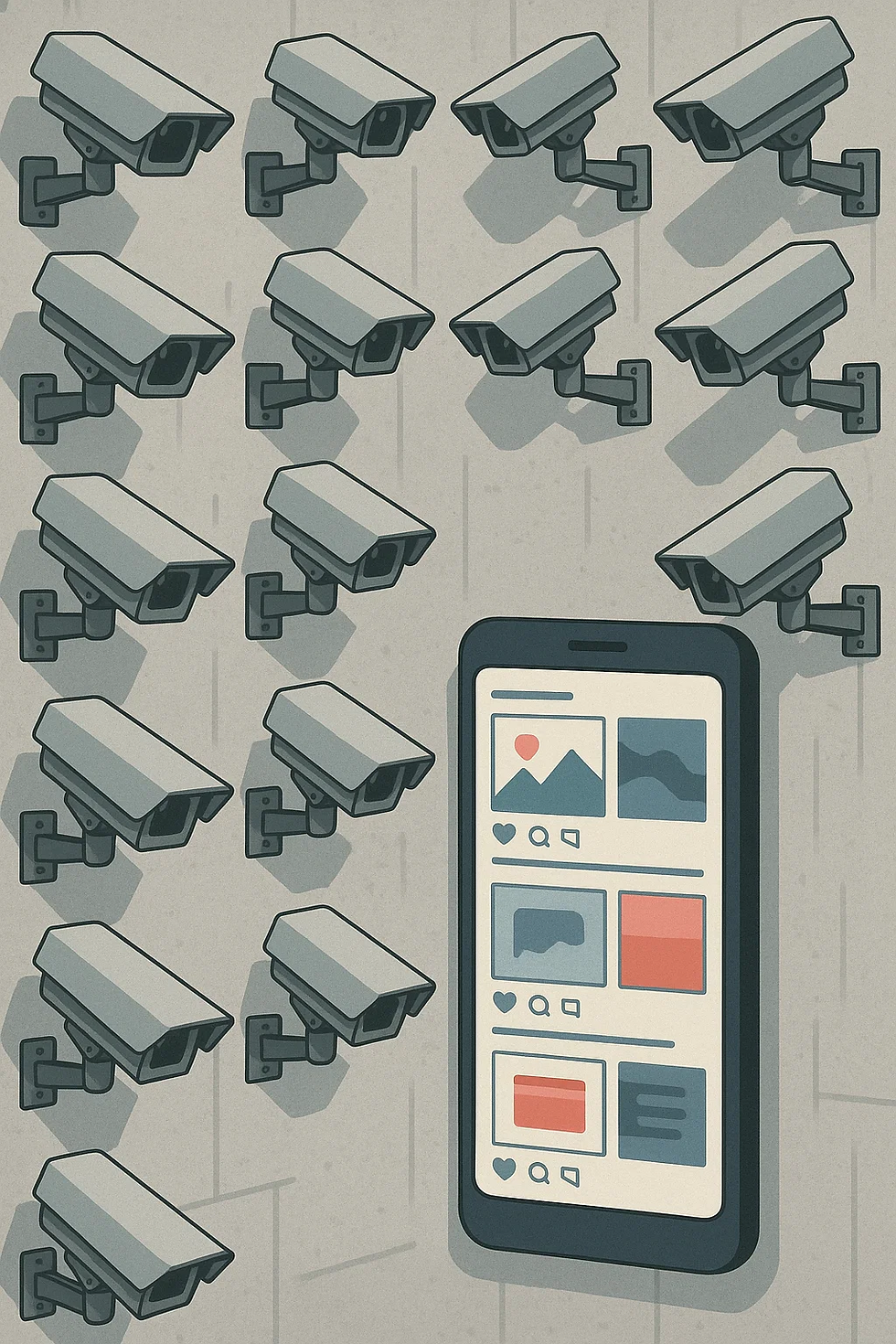
The focus must be on sustained patterns of high-risk behavior: repeated engagement with extremist networks, calls for violence, or signals of allegiance to foreign threats. A single off-color post shouldn’t derail a career. But a consistent online presence built around hate or disinformation should raise red flags.
Crucially, these judgments should be made by trained human adjudicators, not automated algorithms. Investigators must understand the difference between edgy humor and actual threats, and that requires digital literacy, constitutional grounding, and cultural awareness.
Policy Recommendations
Update the SF-86: The security clearance application should ask applicants to disclose public usernames across major platforms, just as it asks about foreign contacts or prior addresses. This signals transparency without invading privacy.
Invest in Digital Literacy for Investigators: Background check professionals should receive training in navigating online ecosystems and assessing context—skills as essential as interviewing references or reviewing credit reports.
Establish Guardrails and Oversight: Congress should create a narrow legal framework that defines disqualifying behavior, protects civil liberties, and provides appeals processes. Regular audits and public reporting can help ensure the system remains fair and accountable.
Respect Rights While Protecting Secrets: Investigators must be barred from demanding private credentials or using opaque AI tools. Publicly available content should be fair game—but treated with care, not paranoia.
The Path Forward
This is not about punishing sarcasm or censoring politics. It's about protecting the public trust. Digital platforms are now central to our identities, and ignoring them leaves our national security dangerously exposed.
The Teixeira leak showed what happens when we treat clearance holders as though they live in a world without Wi-Fi. We can’t afford to make the same mistake again.
America’s enemies are watching. So are its citizens. If we want to maintain trust in government—and in those who serve it—we need a clearance process that belongs to this century.


Comments